
Smith Lecture: Broxton Bird
Holocene Climate-Flood Relationships in the Mid-continental United States
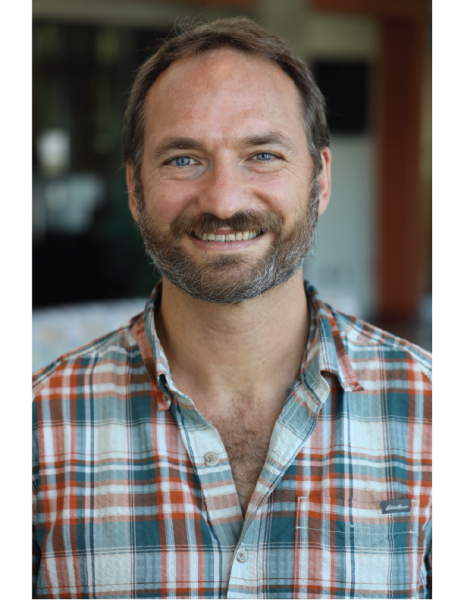
Increased midcontinental United States flooding in recent decades has been attributed to increasing annual precipitation and more frequent extreme rainfall events. But whether or not these trends reflect natural climate flood dynamics is difficult to determine because the modern landscape has been fundamentally altered by human activities and instrumental climate and stream discharge records typically span less than 100 years. In this talk I will present data from midcontinental kettle and floodplain lake sediment archives that respectively preserve long-term information about past climate and flooding regimes. The data show that climate-flood relationships prior to Euro-American settlement were dependent on a stream’s watershed size. Specifically, medium to small watersheds (10,000s km2 to 100s km2) were sensitive to the frequency of rainstorm events, whereas large watersheds (>100,000’s km2) were sensitive to spring snowmelt intensity. The current trend toward increased flooding on streams of all sizes reflects a departure from “natural” climate-flood dynamics that is driven in large part by human landscape modifications. Continued increases annual precipitation and extreme rainfall events are, therefore, likely further exacerbate flooding in the midcontinental US.
| Building: | 1100 North University Building |
|---|---|
| Event Type: | Lecture / Discussion |
| Tags: | Earth And Environmental Sciences |
| Source: | Happening @ Michigan from Earth and Environmental Sciences |
