
Professor
paroma@umich.eduOffice Information:
70C Tappan Hall
phone: 734.764.5604
Education/Degree:
PhD University of Chicago, 2007MA University of Chicago, 2002
BA Cambridge University, England, 1999-2001
BA Jawaharlal Nehru University, New Delhi, 1996-99

Highlighted Work and Publications
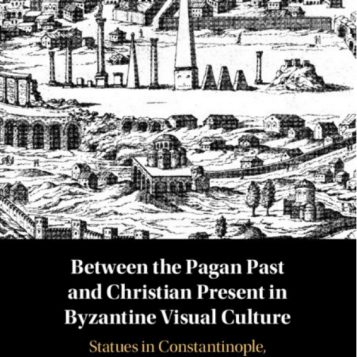
Between the Pagan Past and Christian Present in Byzantine Visual Culture: Statues in Constantinople, 4th-13th Centuries CE
Paroma Chatterjee
Up to its pillage by the Crusaders in 1204, Constantinople teemed with magnificent statues of emperors, pagan gods, and mythical beasts. Yet the significance of this wealth of public sculpture has hardly been acknowledged beyond late antiquity. In this book, Paroma Chatterjee offers a new perspective on the topic, arguing that pagan statues were an integral part of Byzantine visual culture. Examining the evidence in patriographies, chronicles, novels, and epigrams, she demonstrates that the statues were admired for three specific qualities - longevity, mimesis, and prophecy; attributes that ...
See More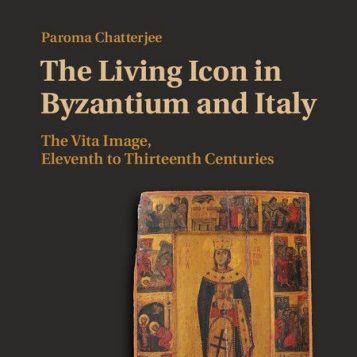
The Living Icon in Byzantium and Italy: The Vita Image, Eleventh to Thirteenth Centuries
Paroma Chatterjee
This is the first book to explore the emergence and function of a novel pictorial format in the Middle Ages, the vita icon, which displayed the magnified portrait of a saint framed by scenes from his or her life. The vita icon was used for depicting the most popular figures in the Orthodox calendar and, in the Latin West, was deployed most vigorously in the service of Francis of Assisi. This book offers a compelling account of how this type of image embodied and challenged the prevailing structures of vision, representation and sanctity in Byzantium and among the Franciscans in Italy between...
See More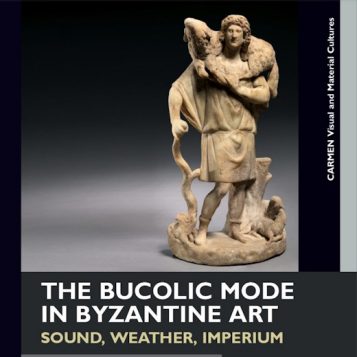
The Bucolic Mode in Byzantine Art
Paroma Chatterjee
Bucolic imagery—of shepherds with flocks in idyllic surroundings—has barely been studied in Byzantine art history. These images elude our usual analytical categories of imperial, sacred, and secular art, and challenge our assumptions about visual narrative. This book demonstrates that a “bucolic mode” existed in Byzantium in diverse media, such as textiles, sculpture, mosaics, silver, and manuscripts. Through a close reading of a select group of images, this book argues that bucolic themes were deployed to reflect concerns about the salvific effects of sound, the vagaries of the weather, and...
See More