
- Accelerated Master's Degree Program
- Advising
- Awards
- Career/Internship Exploration
- Honors Program
- Major in Psychology or BCN
- Photos & Videos
- Preparing for Graduate School
- Registration and Grades
- Research
- Service Learning Opportunities
- STAR Scholars Program
-
- Fall Seminar Series
- Winter Workshop & Mentoring Program
- Meet the Mentors
- Student Organizations
- Student Resources
- Study Abroad
- Subject Pool
- Transfer Credit
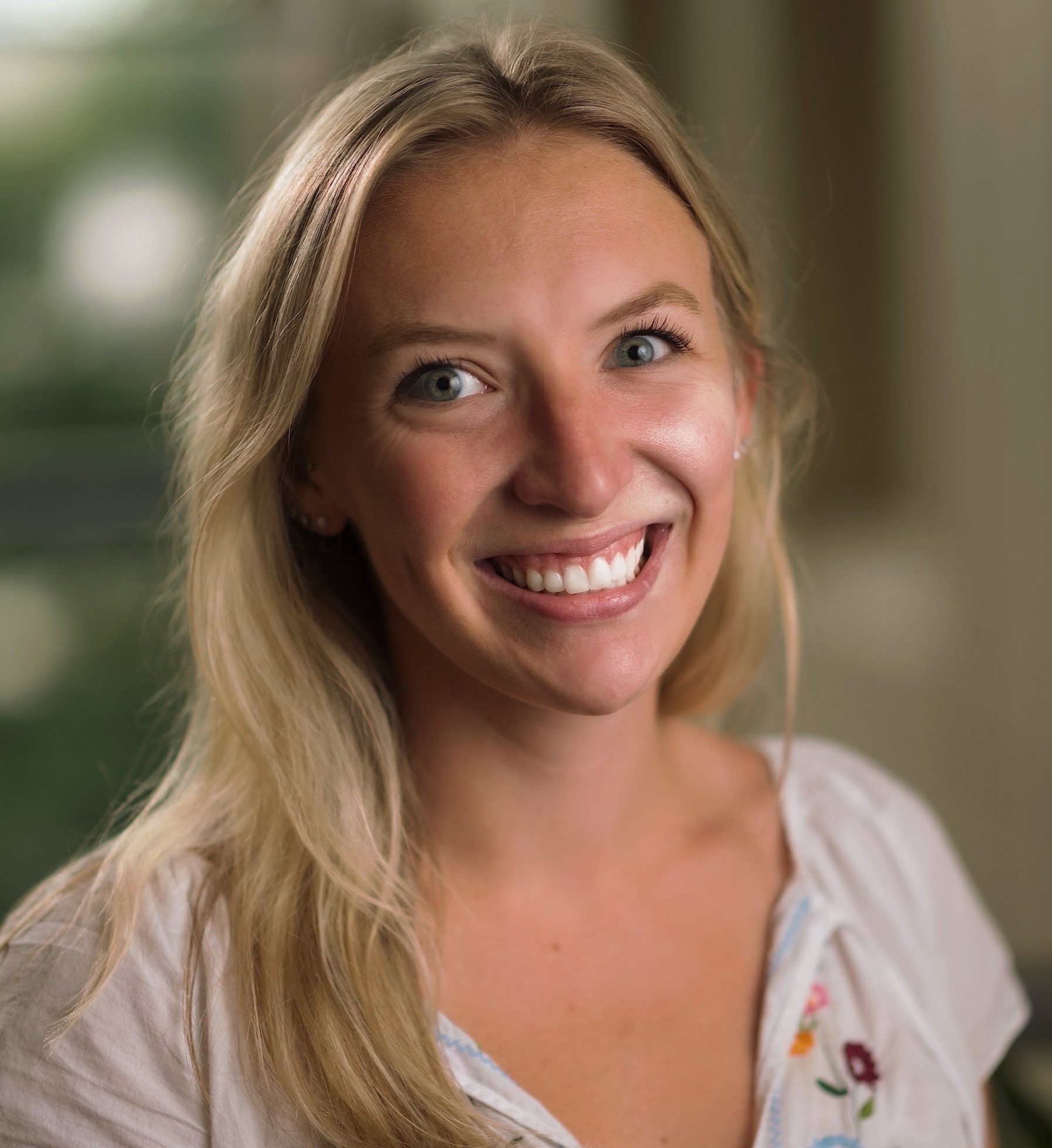
Blake Glatley
Area: Combined Program in Education and Psychology
Advisor: Dr. Allison Ryan
Research: I study youths' friendship during the K-College years and how they can support students' academic adjustment and performance.
Harini Babu
Area: Cognition and Cognitive Neuroscience
Advisor: Dr. Patricia Reuter-Lorenz
Research: My research investigates the relationship between neurostimulation and excitatory neurotransmitters (i.e., Glu) and their subsequent effect on brain activity in older adults, both those with healthy aging and those with mild cognitive impairment (in collaboration with Dr. Alexandru Iordan). Through this work, I aim to advance our understanding of why memory declines with age and the interventions that may preserve/enhance memory performance.

Elena Pokowitz
Area: Clinical Science
Advisor: Dr. Emily Bilek and Dr. Ashley Gearhardt
Research: My research focuses on the dissemination of exposure therapy through the implementation of an innovative training model, exposure-to-exposure (E2E), for mental health providers. My ultimate mission is to provide clinicians with the proper training and resources to care for patients and their families suffering from OCD and anxiety disorders by using the gold standard of care to build resilience, confidence, and more joyful lives. I am an advocate for the use of mixed methods analyses based on the rich information that they provide.
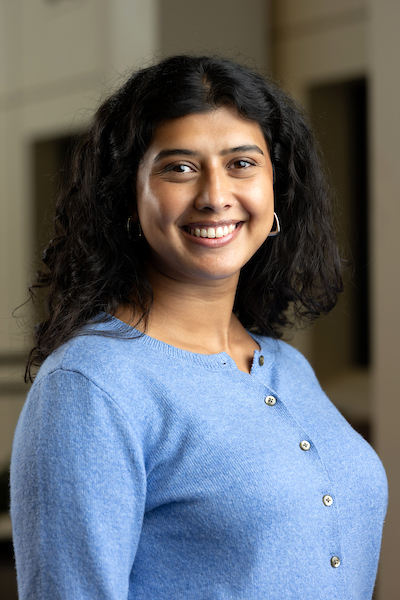
Neema Prakash
Area: Clinical Science
Advisor: Dr. Donna Nagata & Dr. Jamie Mitchell
Research: I study the accessibility and acceptability of mental health interventions. I am particularly interested in utilizing community-engaged research methods to make mental health care more accessible for underserved communities and racial minorities.
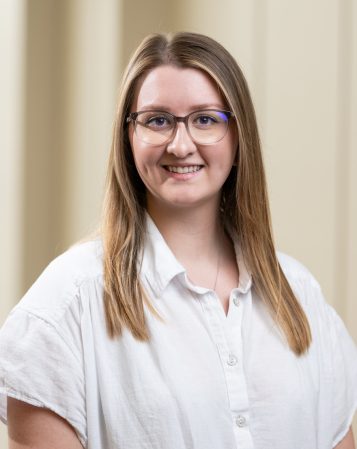
Kali Sarver
Area: Cognition and Cognitive Neuroscience
Advisor: Dr. Patricia Reuter-Lorenz
Research: My research focuses on cognitive working memory and affective working memory (i.e., working memory for emotion) performance across the adult lifespan. Although some cognitive abilities tend to decline with age, working memory for emotion may be resilient to age-related declines, and a goal of mine is to investigate preserved abilities with the healthy aging process.
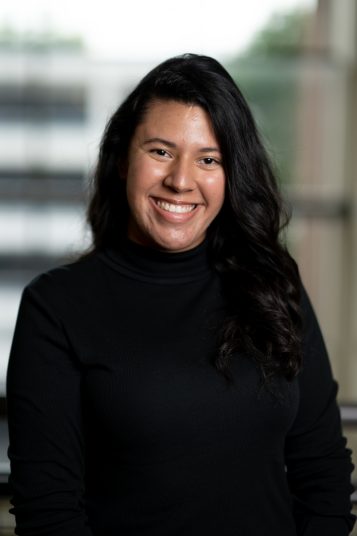
Dianna Alvarado
Area: Personality and Social Contexts
Advisor: Dr. Kevin Cokley
Research: Broadly, I study environmental factors that affect health and academic outcomes among students from underrepresented backgrounds. Recently, I examined how protective strategies (e.g., engaging in self-compassion practices) help students combat imposter feelings.
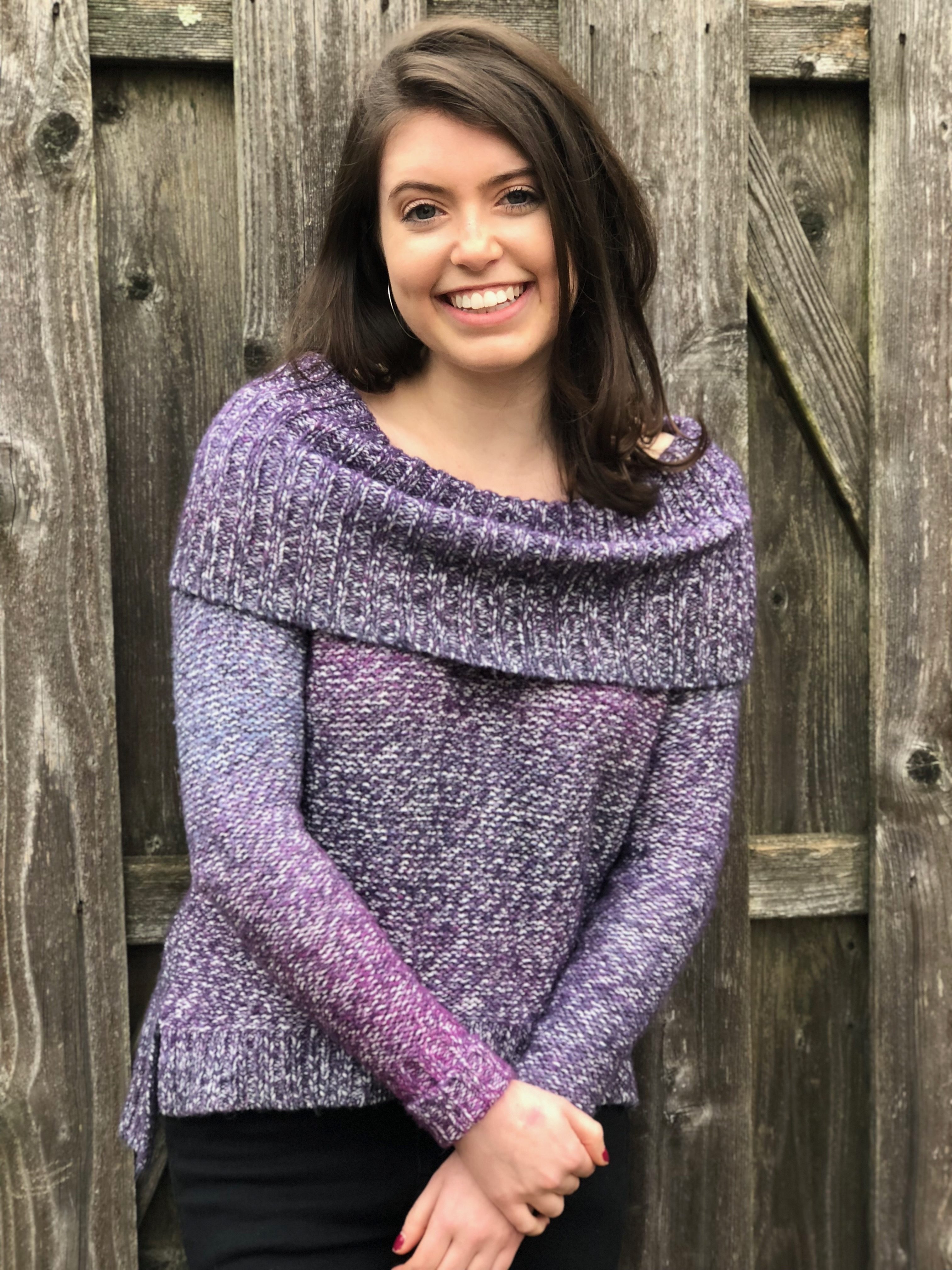
Matt Kern
Area: Brain & Behavior
Advisor: Dr. Amelia Cuarenta
Research: My research explores the relationship between early life stress (ELS) and epigenetic modifications, specifically that of the mobile genetic element LINE1 (L1). I am also interested in behavioral correlates of ELS and L1 mobilization, such as social play, hippocampal-dependent behaviors, and behaviors involved in addiction.

Nuo (Lori) Chen
Area: Developmental Psychology
Advisor: Dr. Ioulia Kovelman, Dr. Kai Cortina, and Dr. Susan Gelman
Research: My research lies at the intersection of bilingualism, literacy development, and developmental cognitive neuroscience. I am particularly interested in how bilingual children process language across behavioral and neural levels, and how these processes influence literacy learning and academic achievement.
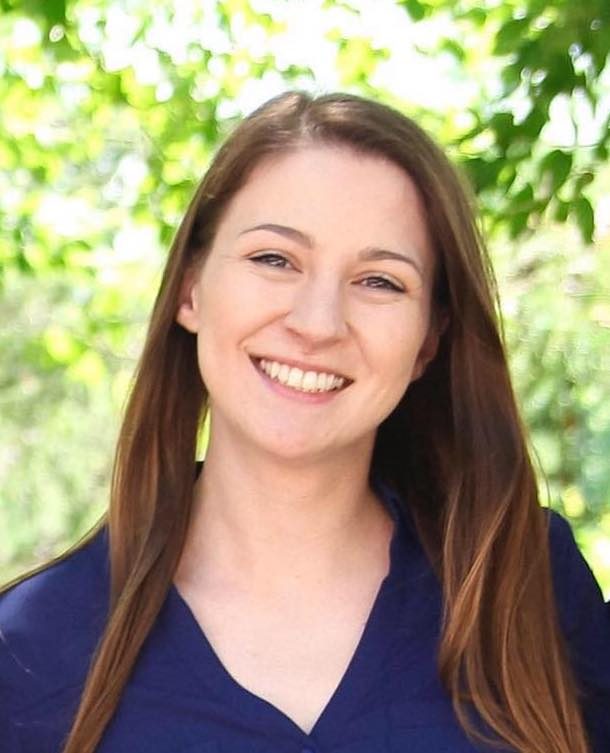
Keion Harris
Area: Joint Social Work and Developmental Psychology
Advisors: Dr. Daphne Watkins, Dr. Lorraine Gutierrez and Dr. Kevin Cokley
Research: I am interested in how local and state policy impacts health and educational outcomes for adolescent minority youth within Michigan and more specifically the city of Detroit.

Lillian Nguyen
Area: Personality & Social Contexts
Advisor: Dr. Gigi Awad; Dr. Craig Rodriguez-Seijas
Research: My research focuses on minority stress, identity processes, and belonging with an intersectional lens primarily among QTBIPOC and Asian American populations. I am most interested in how people's understanding of intersectionality informs their experiences and how we can empower and improve outcomes for people with multiple marginalized identities.
