
PICS student, Ashley Smith, reflects upon her participation in the Association of Pacific Rim Universities conference in Santiago, Chile
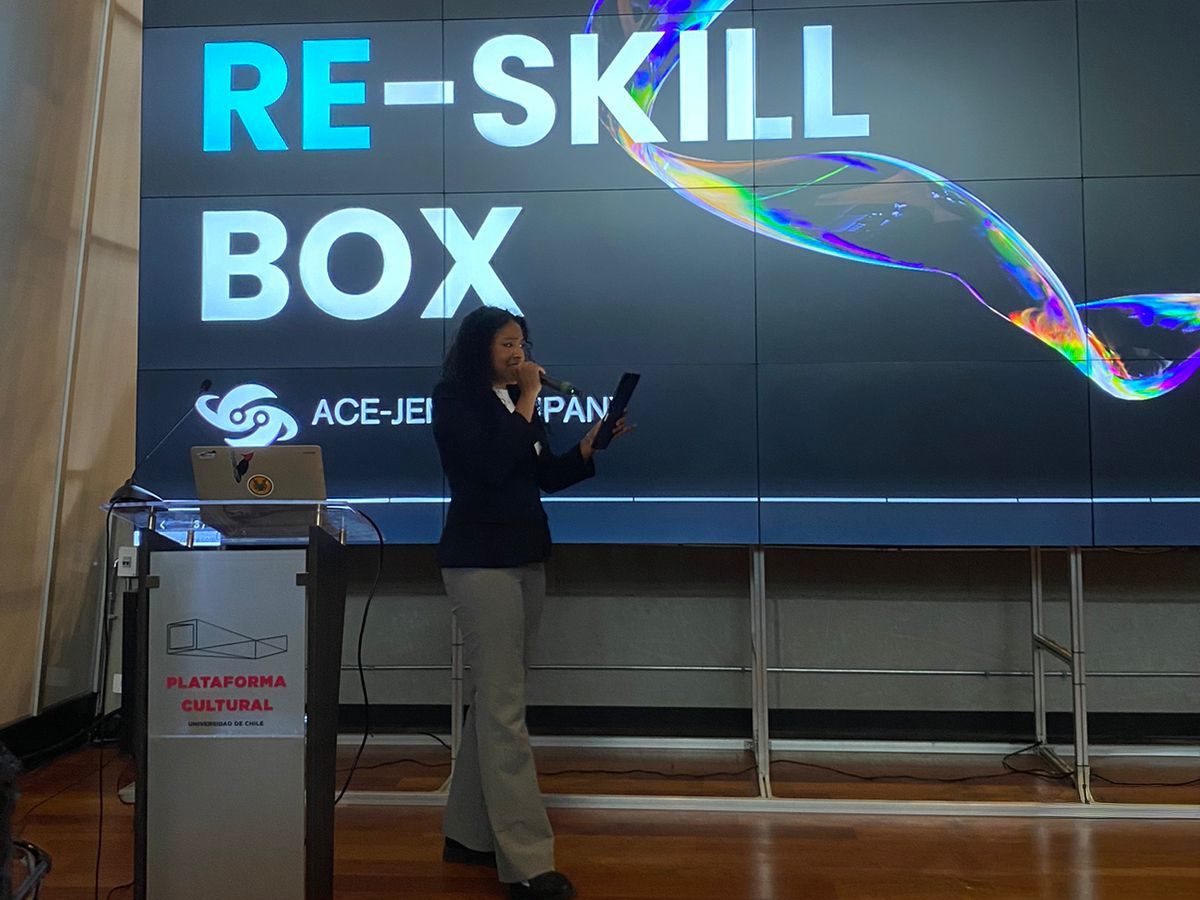
Attending the Association of Pacific Rim Universities (APRU) Undergraduate Leaders’ Program (ULP) conference in Chile this summer was an enriching academic and professional development experience. One of the most valuable insights I gained was a deeper understanding of how global policy challenges—particularly those concerning sustainability, equity, and governance—are interconnected across regions. Hearing from scholars and practitioners in Latin America broadened my perspective on how issues I have studied in the U.S. and in class manifest in the Pacific Rim, especially within the contexts of Indigenous rights, climate change, and regional cooperation.
An actionable takeaway from the conference is the importance of integrating comparative perspectives into my own research and advocacy. I plan to incorporate more Latin American case studies when analyzing human rights frameworks, which will allow me to think more critically about patterns of oppression and resilience across the Global South. The conference also reinforced the value of interdisciplinary collaboration; I left with concrete strategies for bridging academic research with policy practice.
Networking was another highlight. I was able to connect with professors, policymakers, and fellow students from across the Asia-Pacific and Latin American regions. These conversations opened doors for potential research partnerships and exchange opportunities that I hope to pursue in the future. Engaging with other young scholars also created a sense of solidarity and motivation to continue pushing for inclusive, globally minded policy solutions.
Based on this experience, I plan to investigate further how regional organizations in Latin America balance development with Indigenous land rights and how these lessons might inform broader international frameworks. Another area of interest is the role of universities in fostering global dialogue, something the APRU network emphasized strongly.
Overall, the ULP APRU Conference was not only academically stimulating but also personally empowering, reaffirming my commitment to pursuing a career at the intersection of international relations, human rights, and policy innovation.
The Professional Development Grant had a significant impact on my participation in the ULP APRU Conference in Chile. Without this support, I would not have been able to fully access such an invaluable international opportunity. The grant allowed me to immerse myself in the conference without the financial burden being a limiting factor, giving me the freedom to focus on learning, engaging, and building connections.
Because of this support, I was able to attend panels, workshops, and networking sessions that broadened my understanding of global policy issues, particularly in the Latin American context. It also enabled me to represent my university and my own research interests on an international stage, where I connected with professors, policymakers, and peers from across the Asia-Pacific and Latin America. These connections will continue to influence my academic and professional trajectory, opening possibilities for collaboration and further study.
More than just covering logistical needs, the grant validated the importance of students like me being present in these global conversations. As someone committed to a career in international relations and human rights, the ability to participate firsthand in a multinational exchange reaffirmed my goals and equipped me with new insights to bring back to my academic community.
