
Beginning in 2021-2022, the center welcomes Postdoctoral Fellows in Japanese Studies for appointments spanning the academic year. Postdoctoral Fellows teach two courses over the academic year and participate in center events and related activities at U-M. Their research can cover any historical period of Japan—including contemporary Japan—and involve any academic discipline in the humanities and social sciences.
Postdoctoral Fellows 2026-27
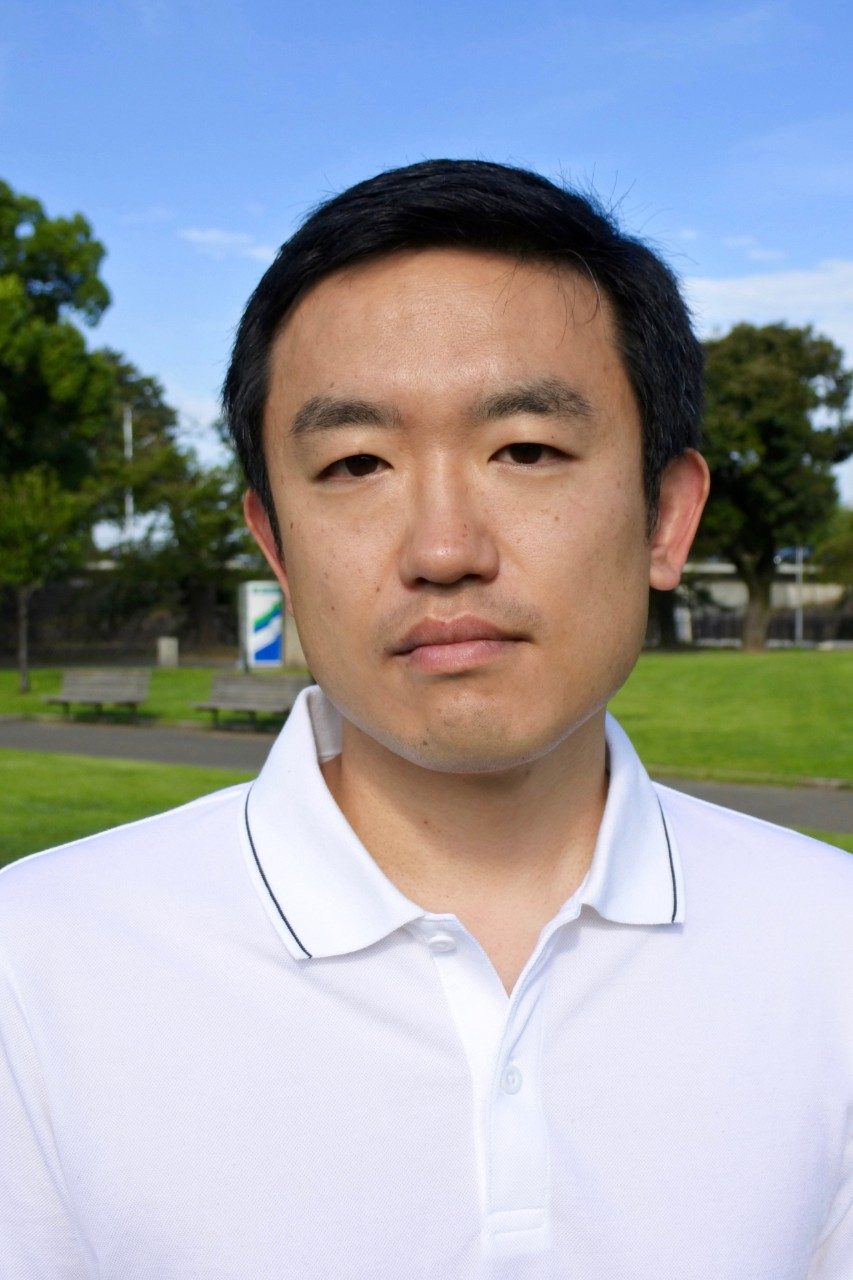
Thomas Monaghan
CJS Postdoctoral Fellow | tnmon@umich.edu
Thomas Monaghan received his Ph.D. in history from Yale University. His dissertation, 'The Satsuma Empire and its Sugar Colonies on the Edges of Early Modern Japan’, examines how Satsuma domain captured the Amami Islands from Ryukyu and transformed them into dependencies supplying sugar for Japan’s domestic market. His research interests include the history of technology and migration, maritime networks, and border islands in Japan’s early modern to modern transition. His article, 'The Diffusion of Sugar-making Knowledge in the East China Sea: Japan, Amami, and Ryukyu, 1609-1868’, appears in a forthcoming special issue of Itinerario. He is currently revising his dissertation for publication and developing a project on the transregional interests of Satsuma domain and the early modern antecedents of the Japanese empire.

Michael Ioannides
CJS Postdoctoral Fellow | mjioanni@umich.edu
Michael J. Ioannides received a Ph.D. in anthropology from University of California Santa Barbara and an MA in applied anthropology from Oregon State University. His dissertation, “Infrastructures of Sovereignty: Rivers and the Politics of Temporality in Ainu Mosir,” ethnographically examined Ainu Indigenous activism in the context of ongoing Japanese settler colonialism in Hokkaido, focusing on contemporary Ainu communities’ longstanding relationships with local river watersheds. In addition to his research, Michael is a longtime contributor to AinuToday.com—the world’s first Ainu-led, English language platform for the dissemination of knowledge on contemporary Ainu art, scholarship, and activism—as well as a saxophonist and independent music producer who regularly collaborates with Ainu artists. Michael will spend the postdoctoral fellowship period revising his dissertation into a publishable manuscript and developing his next project, which focuses on the development of “green” infrastructure and data centers in Hokkaido and its impacts on the Ainu sovereignty and environmental restoration movements.
